Just Browsing: How to Reduce Online Shopping Cart Abandonment

Sometimes, I wish I could view a list of every item I’ve ever added into an online shopping cart and then abandoned. All the lost trinkets I decided I didn’t need, the furniture I realised wouldn’t match my wallpaper, or the outfits I knew would never arrive in time. A gallery of things I once wanted, but never ended up getting.
I’d hazard a guess that you feel the same, as almost 70% of all online shopping carts are abandoned by shoppers. In other words, only 3 in every 10 customers who begin filling their carts end up making a purchase. That’s a lot of figuratively lost bits and bobs, and a lot of lost revenue for businesses.
Research has found many reasons as to why consumers abandon carts, but luckily, there are things you can do to reduce the impact of these factors when customers are browsing your own ecommerce website. Keep reading to find out how to reduce your business’ online shopping cart abandonment rates…

Window shopping
More often than not, consumers abandon their online shopping carts purely because they never originally intended on making a purchase in the first place – just like how one might stroll around a shopping centre, making purchases only from one or two shops but visiting them all.
32% of UK shoppers abandon shopping carts because they’ve changed their mind, making indecisiveness one of the most common factors overall. Similarly, 29% of shoppers abandon carts to compare prices elsewhere before they make their purchase.
The good news is that even if an ecommerce website hasn’t been able to convert a customer, there are effective ways to bring them back a second time around, such as cart recovery emails and retargeting adverts. More than 40% of abandoned cart recovery emails are opened, which is almost double the average open rate for general marketing emails. In fact, 28% of online sales revenue actually comes from successful cart recovery emails which allow customers to easily pick up where they left off and complete their purchase.
Retargeting adverts use cookies to remember which pages were visited by customers, which products they viewed, and the items that were added to their cart. In place of regular, generic adverts on other websites and social media platforms, the consumer will see adverts for items they’re actually interested in. This means retargeting ads are 76% more likely to get clicks than their normal display counterparts.
Solutions:
-
Carry out research to see whether retargeting ads and cart abandonment emails will be effective on your target market – for example, 72% of millennials say they like retargeting ads. Then, where appropriate, utilise these retargeting methods.
-
Analyse how your customers use your website and make sure every part of it is optimised to support their decision-making in favour of your brand. The content you should include, from information to price comparisons to imagery, depends on your industry, offering, price point, target market and more.
Shipping
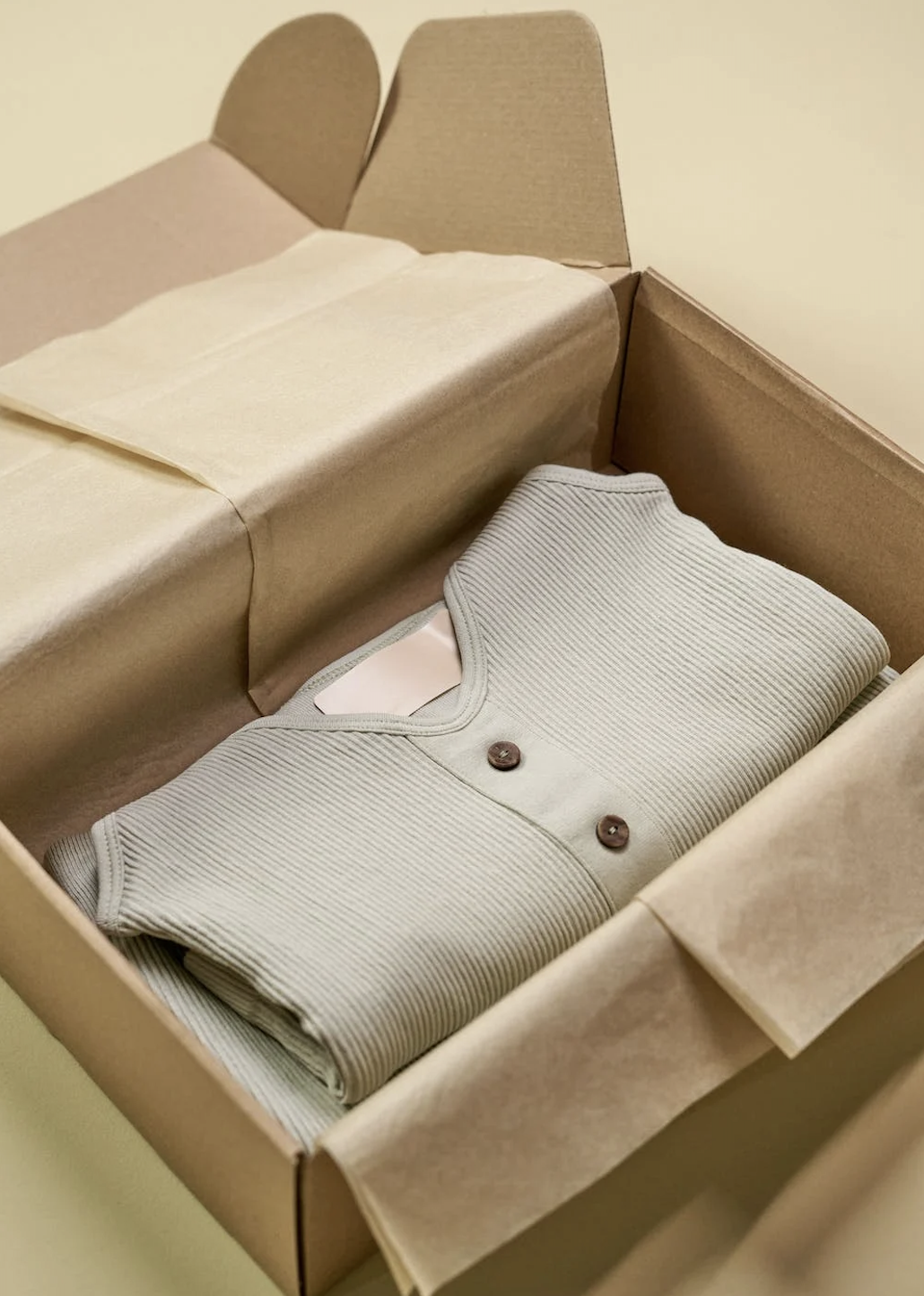
The world of internet shopping has evolved quickly over the years, and nowadays, you can expect to receive items at your front door just a couple of days after purchasing. Online stores such as Amazon and Asos offer next day delivery, meaning shopping online is more convenient than ever before.
Customers are generally accustomed to longer lead times when buying products which are made-to-order, handmade or customisable, such as pieces of furniture or personalised jewellery. However, outside of these sectors, fast delivery is key to securing online sales – especially if customers could go elsewhere for similar products.
A survey carried out by payment provider Mollie found that 55% of consumers have abandoned a cart due to long delivery times or expensive delivery fees.
In 2022, VoucherCodes reviewed the standard delivery fees of the UK’s top 100 retailers, which ranged from £12 (Topps Tiles) to free delivery, with the average coming out at just over £5. Average delivery fees can vary greatly between industries and depend on the size and weight of your products, so always do your research and see what your industry’s trends and averages are.
85% of the UK’s top retailers have free delivery offerings, and for good reason. Half of the UK population is willing to pay extra to qualify for free delivery, spending an average of £17.27 to avoid paying for delivery. Meanwhile, 22% of top UK retailers offer a free delivery subscription service.
Solutions:
-
Make sure your shipping fees are in line with similar businesses in your industry by carrying out market research and always keeping an eye out for changes.
-
Add a free delivery offering, where customers qualify for free delivery when they spend over a certain amount. You want this amount to be large enough so that the free delivery doesn’t impact your profit margins too much – this will depend on your offering.
-
If you expect your customers to be buying from you regularly, offer a free delivery subscription service.
-
Look into partnering with a delivery service such as Yodel or Evri to speed up your delivery times.
Technology
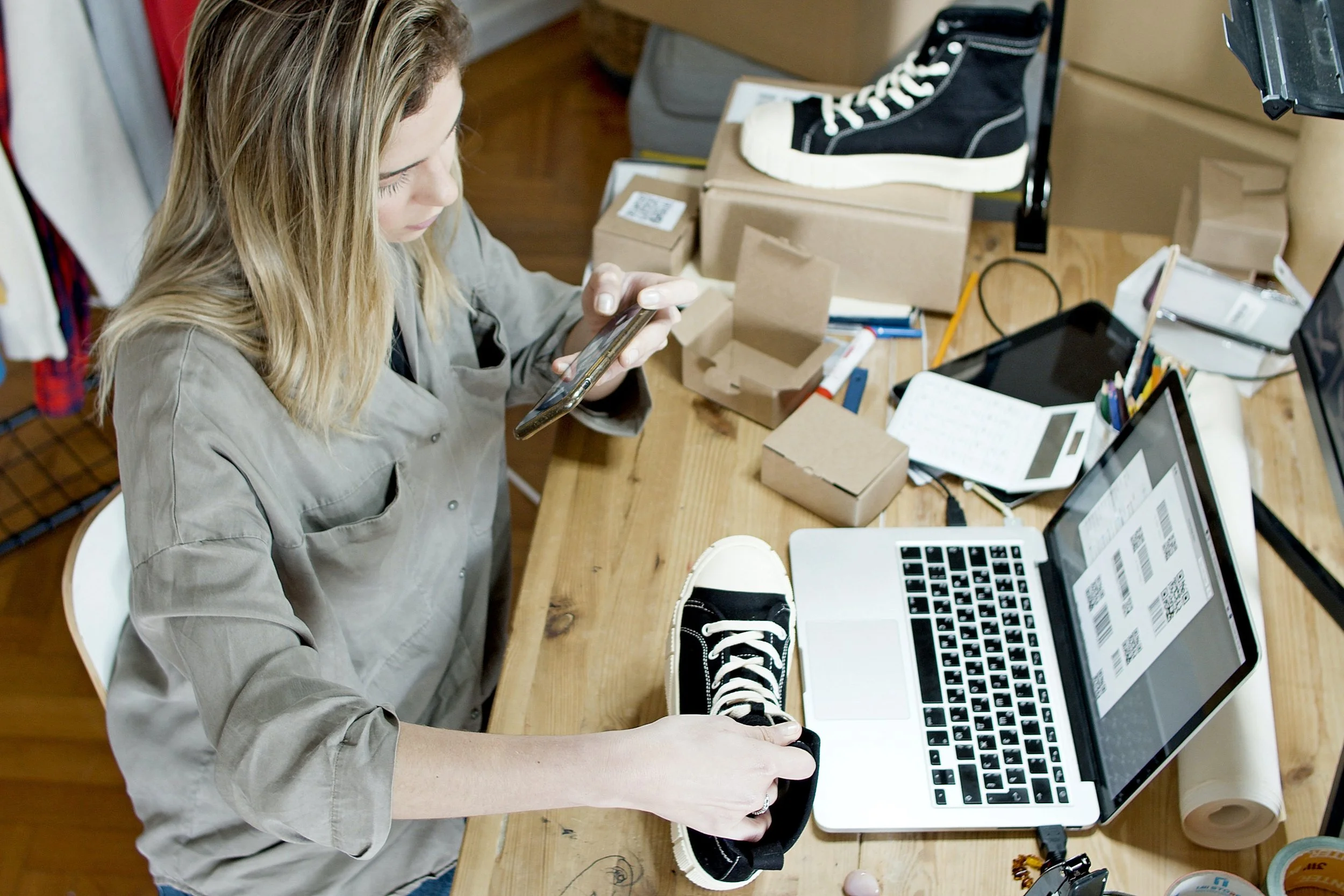
We’re all guilty of being a little impatient sometimes, especially when you’ve got a perfectly good internet connection and a website just won’t load. In fact, 7.57% of shoppers will abandon their whole shopping cart if a page takes more than 3 seconds to load, and 15% admit to abandoning carts after a website crashed.
Interestingly, online shopping carts accessed on a mobile device are more than 12% more likely to be abandoned than those accessed on a desktop. This could be down to a few reasons – those using mobile devices are more likely to be on-the-go, busy or easily distracted from their purchase, whilst those using a desktop or laptop are more likely to be at home or at least somewhere they can concentrate. Desktops can also offer a more comfortable browsing experience due to the larger screen, especially when many websites are built for desktop and are perhaps not optimised for mobile viewing.
Solutions:
-
Find out your website’s loading times by using software like Google PageSpeed Insights or Pingdom, and make the suggested changes to optimise your speed.
-
Make sure you are using a reliable website host to minimise crashes.
-
Keep your website uncluttered and simple for your customers to navigate.
-
Ensure your website has a mobile version.
Complex purchase process
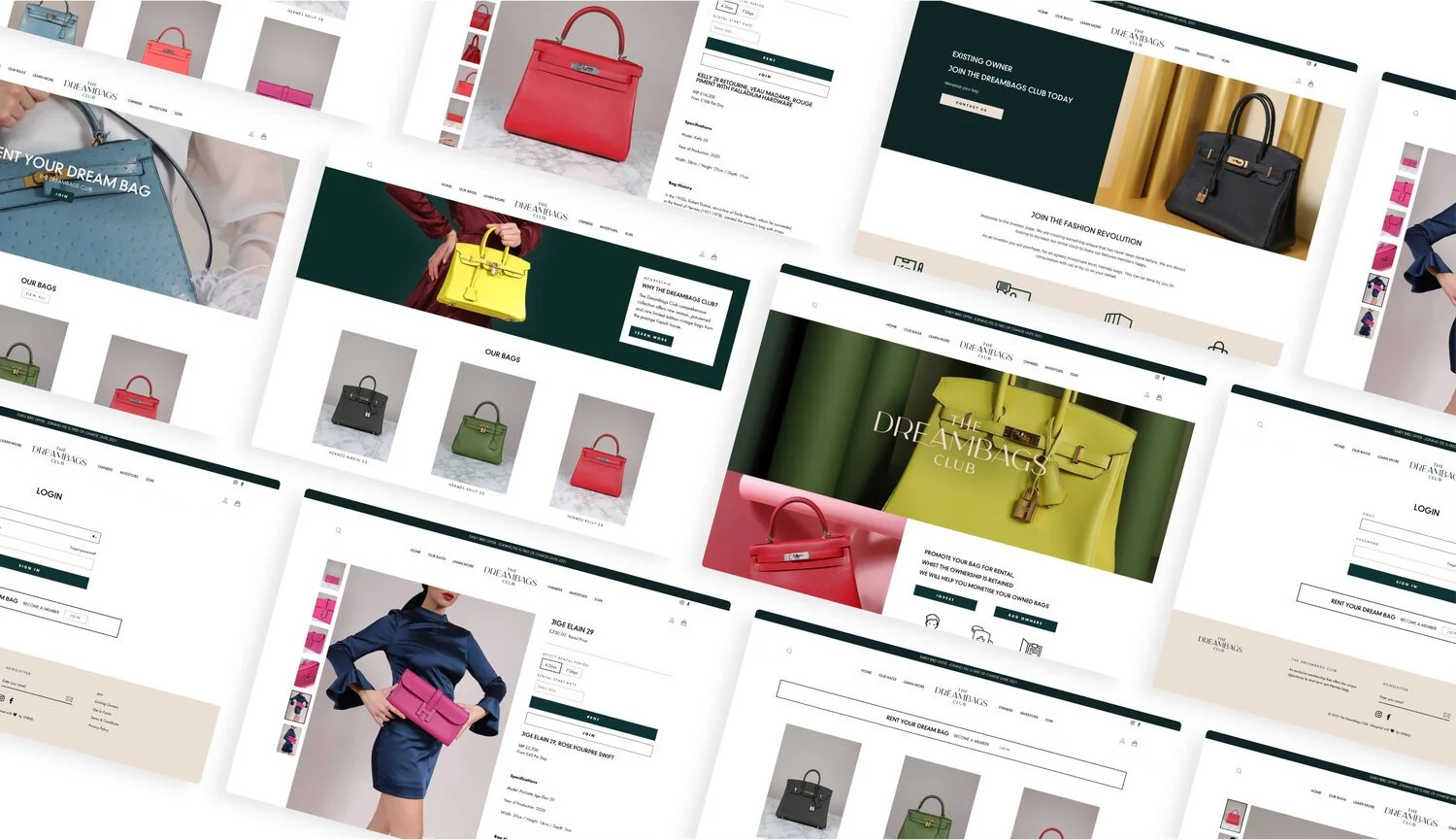
When shopping online, consumers look for the entire process to be speedy, simple and secure. A long, winding purchase process with a seemingly infinite number of pages and tabs and fields and boxes – that’s not simple. Therefore, it makes sense that 31% of consumers in Europe abandon carts due to an overly complex purchase process. This is exacerbated when users aren’t given any idea as to where they are in the purchase process, as well as when autofill isn’t available, and everything must be typed by hand. 22% of consumers cited forced account creation as their reason for abandoning a cart.
Solutions:
-
Make sure customers aren’t required to fill in much more than 12 fields to make a purchase, and keep the checkout process on one page.
-
Supply customers with a visual of where they are in the process – for example, their basket, delivery details and payment details.
-
Allow the use of services like Google Autofill to speed up the process.
-
Allow users to check out as guests (without creating an account), or allow them to log in with existing accounts like Twitter, Facebook and Google.
Issues with payment
How often have you been ready to make an online purchase, only to realise the store doesn’t accept Apple Pay or PayPal and you have no idea when you last saw your bank card?
Luckily, nowadays, we can save our card details to autofill when we want to make a purchase, but 45% of consumers abandon their cart when their preferred payment method is not available. This includes the 38% of consumers who cancel if PayPal isn’t an option, and 10% who cancel when they can’t pay with Apple Pay.
Other issues surrounding payment include concerns about payment security, which often arise when customers are redirected to another website to make their payment. In fact, 27% of shoppers abandon their carts when redirected to external sites, and 54% abandon carts when concerned about payment security in general.
Processing errors such as declined bank carts also increase cart abandonment rates, whether they’re due to customers incorrectly inputting their information, connectivity issues or over-zealous anti-fraud measures.
Solutions:
-
Carry out in-depth research so you have an understanding of which payment methods to offer your customers, and how to offer these methods
-
Allow customers to use services like Google Autofill to decrease human error when entering details
If you use a PSP, integrate the service into your own website so users aren’t redirected to an external platform
Minimise your cart abandonment rates with UNBXD
Having worked with top ecommerce retailers such as Pukka Pads and Biotiful Dairy on their ecommerce platforms, UNBXD understands the importance of keeping your business ahead of the game with user-friendly, impactful ecommerce platforms designed to maximise your sales. We’re experienced in developing effective websites with simple checkout processes, speedy loading times, seamless payment integrations and retargeting advert and email campaigns.
